
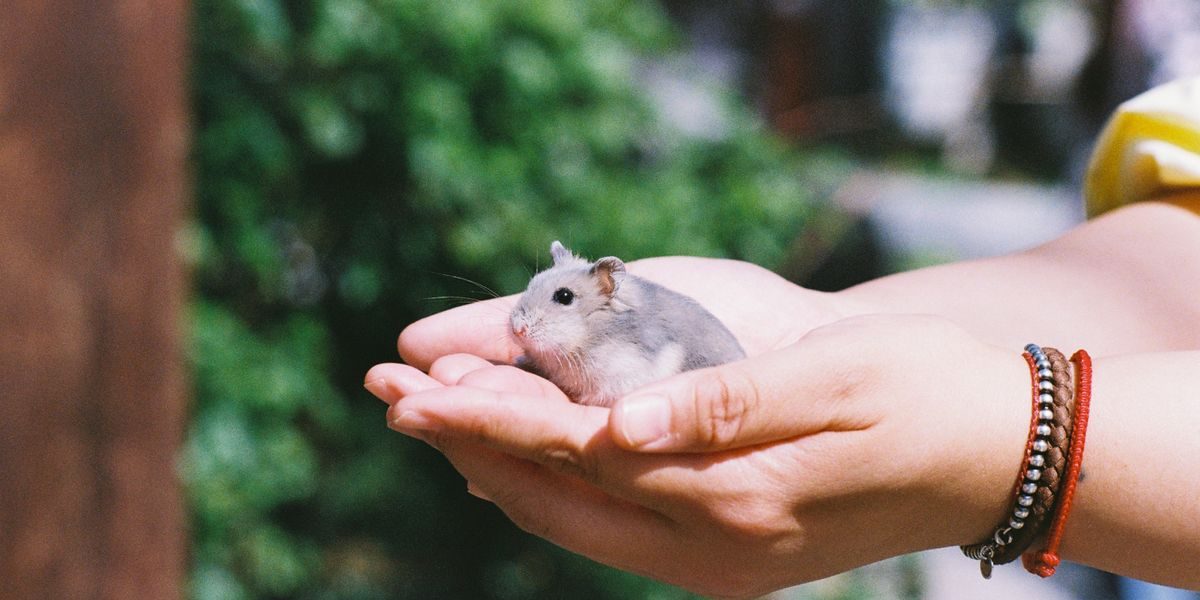
Hamsters rarely bite out of aggression. Most bites happen because the hamster is frightened, was woken suddenly, mistook a finger for food, or is in pain. Slow, patient handling at the right time of day fixes the majority of cases; a hamster that suddenly starts biting when it never did before should be checked by a vet.
A bite from a hamster is startling, but it is almost always communication rather than bad temper. Hamsters are small prey animals with poor eyesight. When something large reaches into their home from above, biting is one of the few defences they have. Working out why your hamster is biting tells you what to change.
Common reasons hamsters bite
Fear and not being used to hands
A new hamster has no reason to trust you yet. Being grabbed, chased around the enclosure or lifted before it is ready teaches it that hands are a threat. This is the most common cause of biting in recently adopted hamsters and it improves with gradual taming.
Being woken up
Hamsters sleep through much of the day and are most active in the evening and at night. A hamster pulled out of its nest mid-sleep is disoriented and defensive. Wait until it is awake and moving around on its own before you interact.
Your hands smell like food
Hamsters explore with their nose and teeth. Fingers that smell of food, or of another animal, invite a test nibble that can turn into a proper bite. Wash your hands with unscented soap before handling.
Guarding the nest or food store
Some hamsters are relaxed out in the open but defensive when a hand comes near their nest or hoard. Avoid reaching into the sleeping area, and let the hamster come out to you instead.
Pain or illness
A hamster that is normally calm and suddenly bites when touched may be hurting. Look for other changes such as eating less, a hunched posture or a wet or dirty rear end, and read our guide to signs your hamster may be unwell. If anything seems off, contact a vet.
Stress from the environment
A cramped enclosure, shallow bedding, no hiding places or a noisy location keeps a hamster on edge. Stressed hamsters are quicker to bite. Check your setup against our cage setup guide.
Nibble or bite?
| What it looks like | What it usually means | What to do |
|---|---|---|
| Gentle, brief nibbling without pressure | Investigating a smell or texture | Wash your hands; calmly move your hand away |
| A quick nip, then the hamster retreats | “I am not comfortable, back off” | End the session and go slower next time |
| A hard bite that holds on, often with squeaking or lunging | Real fear, or possibly pain | Stop handling, review the setup, and consider a vet check |
How to reduce biting
- Choose the right time. Interact in the evening when your hamster is already awake.
- Announce yourself. Speak softly and let it sniff your hand before you do anything else.
- Come from the side, not above. A hand descending from overhead looks like a predator.
- Scoop, do not grab. Let the hamster walk onto your flat palm, or into a mug or tunnel, and lift that.
- Keep sessions short and finish before the hamster gets restless.
- Sit on the floor while handling, so a jump or a startled drop is not a fall from height.
- Offer food from your palm so your hand predicts good things.
What to do in the moment
Try not to jerk your hand away or shake the hamster off, which can injure it. Lower your hand to a surface so it can step off. Do not shout, tap its nose or blow in its face; punishment only confirms that hands are frightening. Wash the bite with soap and water, and seek medical advice if it is deep, becomes red or swollen, or you have concerns.
Children and biting hamsters
Because hamsters are active at night and can nip when startled, an adult should always supervise handling by children and take responsibility for daily care. Teach children to sit down, keep still and let the hamster come to them.
When to contact a vet
Contact a vet if biting starts suddenly in a previously gentle hamster, if it reacts when a particular part of its body is touched, or if the biting comes with any other change in eating, drinking, droppings, movement or coat condition.
Educational content only. This guide cannot diagnose your hamster and is not a substitute for veterinary care. If you are worried about your hamster, contact a vet, ideally one experienced with small or exotic pets.
Frequently asked questions
Do hamsters grow out of biting?
Many young or newly adopted hamsters bite less as they get used to their home and to gentle, predictable handling. It is learned trust rather than age that makes the difference.
Should I wear gloves?
Thick gloves stop you feeling how firmly you are holding the hamster and hide your scent, which slows taming. A better option for a nervous hamster is to move it in a mug or tunnel until it is comfortable with hands.
Are some hamsters more likely to bite?
Temperament varies between individuals. Smaller, faster species can be harder to handle simply because they are quick and easily startled, but any hamster can become calm with patience, and any hamster can bite if frightened.
You may also like
- How to tame a hamsterA step-by-step plan for building trust
- Hamster care guide for beginnersThe essentials in one place
- Signs your hamster may be unwellWhat to watch for and when to call a vet
- How to set up a hamster cageA calmer home makes a calmer hamster