
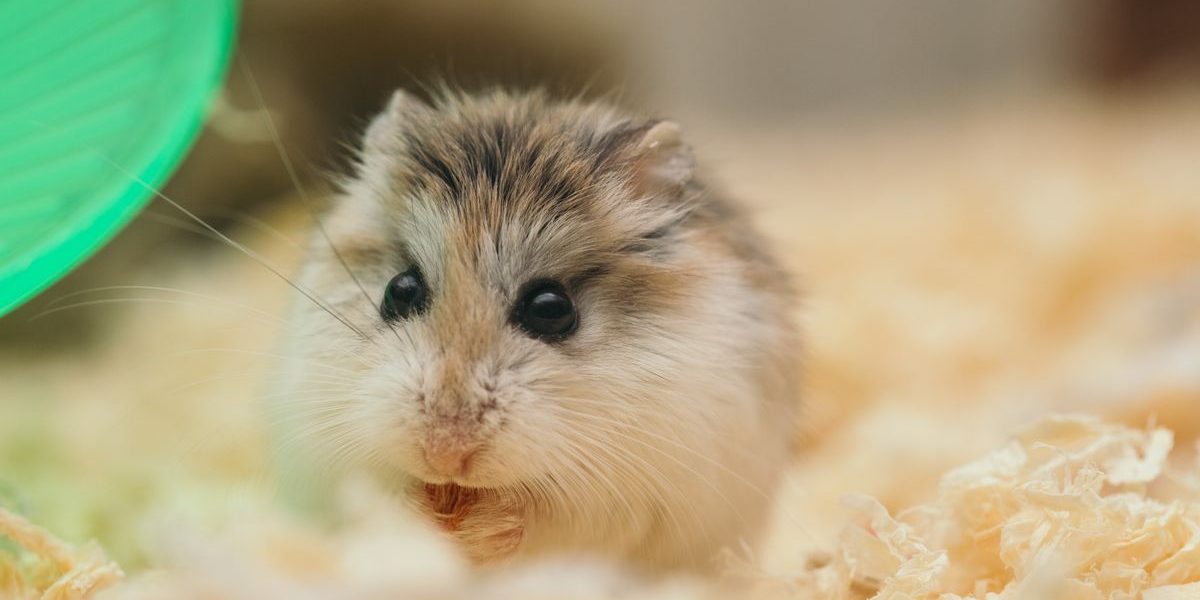
Unscented paper-based bedding is the option every source we checked accepts. Aspen is accepted by PDSA, Blue Cross and Woodgreen. Avoid fluffy or cotton-wool style nesting, cedar, scented products and dusty sawdust. Opinions differ on hemp and on other wood shavings, so we explain who says what below.
Bedding does three jobs: it absorbs urine, it gives the hamster something to dig and tunnel in, and it lines the nest. A material can be good at one and poor at another, which is why many keepers mix types. Safety comes first, though, so start with what to avoid.
Bedding and nesting to avoid
| Material | Why it is a concern | Who advises against it |
|---|---|---|
| Fluffy, cotton-wool or “hamster wool” nesting | Fibres can wrap around limbs and cause blockages or pouch problems if swallowed | PDSA, RSPCA, Blue Cross, Woodgreen, TVT, PetMD, Merck |
| Cedar shavings | Described as toxic or potentially poisonous | PetMD, Merck |
| Pine shavings | Listed alongside cedar as potentially poisonous | Merck |
| Sawdust and dusty wood shavings | Dust can affect airways and skin | PDSA, Blue Cross, Woodgreen |
| Scented bedding | Added fragrance | PDSA |
| Shredded newspaper | Ink | PDSA |
The warning about fluffy nesting is the most consistent in all the guidance we read, and TVT notes it applies even to products sold as digestible.
Bedding types generally considered suitable
Paper-based bedding
Soft, unscented, undyed paper bedding is recommended by PDSA, Blue Cross, Woodgreen, PetMD and Merck. It is absorbent and gentle, though on its own it can be too loose to hold tunnels.
Aspen shavings
PDSA, Blue Cross and Woodgreen single out aspen as an acceptable wood bedding. Mixed with paper it helps burrows keep their shape.
Hay and plain tissue
Soft hay is suggested by PDSA and TVT, which recommends mixing roughly one third hay through the bedding so tunnels hold. For the nest itself, plain unscented tissue or toilet paper is suggested by PDSA, Woodgreen and Merck.
Where the sources disagree
| Material | Accepted by | Not recommended by |
|---|---|---|
| Hemp | PDSA, Blue Cross, Woodgreen (unscented) | TVT, which classes it as sharp-edged |
| Dust-free wood shavings in general | RSPCA | PDSA, Blue Cross and Woodgreen, apart from aspen |
| Pet-safe soil or peat | PDSA (organic soil without fertiliser), RSPCA (peat) | TVT |
When reputable sources disagree, the cautious route is to build your setup around the materials nobody objects to, which in practice means unscented paper bedding, with aspen and hay mixed in for structure. We could not find an authoritative source confirming that kiln-dried pine is safe, so we do not recommend it.
Why mixing helps
Blue Cross and PDSA both note that combining bedding types makes burrows more stable. A common approach is a paper base with aspen and a few handfuls of hay worked through it, pressed down lightly as you fill. For how much to use, see how deep hamster bedding should be.
Dust, scent and allergies
“Dust-free” on a bag is a marketing claim rather than a standard, and bags vary. If a new bag seems dusty, shake it out in a well-ventilated space before use. If your hamster starts sneezing, has discharge from the eyes or nose, or breathes noisily, contact a vet.
Keeping bedding clean
Spot-clean wet and soiled patches regularly and do larger cleans less often. RSPCA and Blue Cross suggest a full clean once or twice a month and Woodgreen every two to three weeks, depending on enclosure size, and all advise putting some clean used bedding back so the enclosure still smells familiar.
Frequently asked questions
Can hamsters use wood shavings?
Aspen is accepted by PDSA, Blue Cross and Woodgreen. Cedar is advised against by PetMD and Merck, and Merck also names pine. The UK charities advise against dusty shavings and sawdust generally, while the RSPCA accepts dust-free shavings.
Is scented bedding safe?
PDSA advises against scented bedding. Unscented versions of the same products are widely available.
What can I use for nesting material?
Plain, unscented tissue, toilet paper or paper towel torn into strips, or soft hay. Avoid fluffy cotton-wool style nesting products.
Is hemp bedding safe?
PDSA, Blue Cross and Woodgreen accept it; TVT does not, on the grounds that it is sharp-edged. If you use it, choose an unscented, low-dust product and consider mixing it with paper bedding.
You may also like
- Best hamster beddingWidely available options compared
- How deep should hamster bedding be?Depth guidance and how much to buy
- How to set up a hamster cageLayering bedding in a new enclosure
- Hamster essentials checklistEverything to have ready