
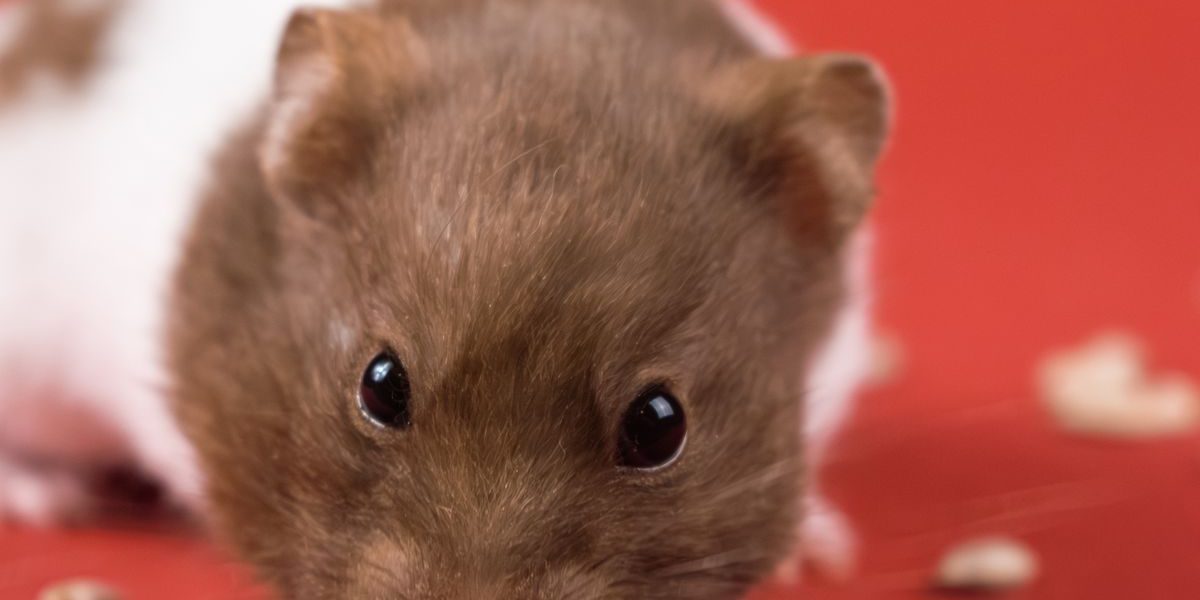
You can adopt a hamster from a rescue, buy from a breeder or buy from a pet shop. A rescue is often the best first stop: the hamster will usually have been health-checked and sexed, and you give a home to an animal that needs one. Wherever you go, check the conditions and the animal, and have the enclosure ready first.
Adopting from a rescue centre
The RSPCA points prospective owners to its rehoming service, and TVT lists shelters and specialist hamster rescues alongside breeders and shops. As an example of how adoption works, Woodgreen asks applicants for photos of their set-up with measurements and requires an enclosure of at least 100 x 50 cm.
- For: the hamster is usually sexed and assessed; staff know its temperament; you get setup advice; fees are modest.
- Against: less choice of age, colour or species; you may need to wait or travel.
Buying from a breeder
- For: you can see the parents and conditions; young are often handled from early on; a reputable breeder knows the animal’s age and background. Woodgreen notes that a true-species dwarf needs a pedigree from a reputable breeder.
- Against: standards vary. TVT warns that breeding for unusual colours and coats can cause health problems, so be wary of breeders focused on rare varieties.
Ask to see where the hamsters live, how the sexes are separated and at what age they leave.
Buying from a pet shop
- For: convenient and usually has hamsters available.
- Against: age and background are often unknown, sexing can be unreliable, and hamsters are sometimes housed in mixed groups. The cages and wheels sold alongside are frequently too small.
Blue Cross advises that sellers should keep hamsters in clean, good-sized housing and be able to sex them; if they cannot, walk away, because a female may be pregnant.
Whichever you choose
| Check | Why |
|---|---|
| Clean housing with food, water and bedding | Reflects the care the animal has had |
| Sexes separated | Avoids surprise litters |
| Age at least six weeks | Blue Cross minimum for rehoming |
| Alert animal with clear eyes, clean nose and dry rear | Basic health signs |
| Current food | So you can avoid a sudden diet change |
The full health check is in choosing a healthy hamster.
Buying online or from adverts
Be cautious with adverts where you cannot see the animal and its home first. Never have a hamster posted or handed over in a car park.
Before you bring one home
Set up the enclosure in advance using the essentials checklist, and read bringing your hamster home.
Frequently asked questions
Is it better to adopt or buy a hamster?
Adoption gives a home to a hamster that needs one and usually comes with good advice. A careful breeder is a sound alternative. Either beats an impulse purchase.
What age should a hamster be when I get it?
Blue Cross says not before six weeks. Adult rescue hamsters can also make very good pets.